
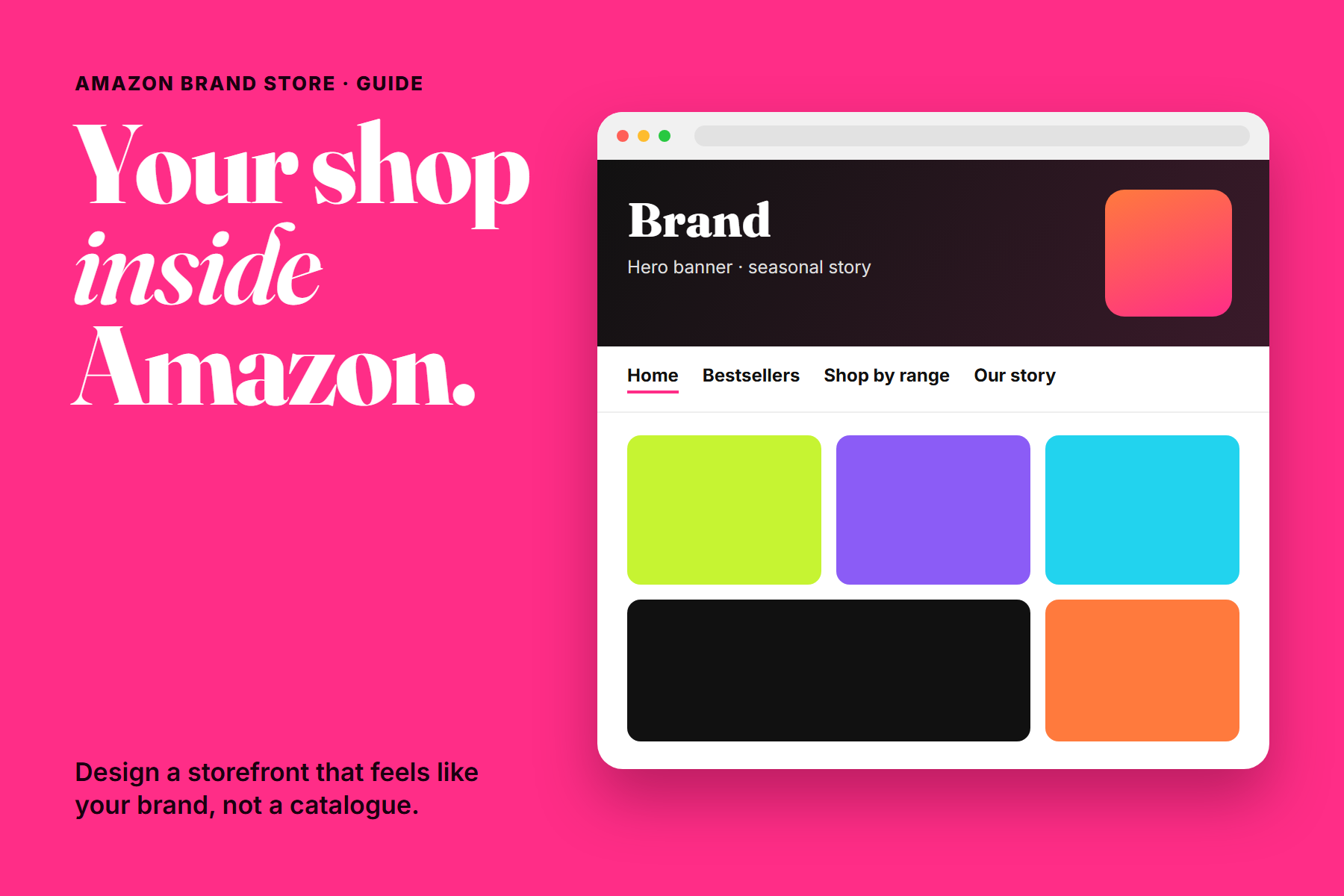
On a product page, your brand competes for attention with sponsored products and similar items. A Brand Store is different: it is a dedicated space where shoppers see only your brand and your range. It is where you can show the full catalogue, explain what you stand for and guide people to the right product.
Many brands set one up quickly, fill it with product grids and move on. That misses most of its value. This guide covers how to plan a Brand Store that feels like a real brand experience rather than a second catalogue.
A product page sells one product. A Brand Store sells the brand behind all of them.
What is an Amazon Brand Store, and who can create one?
A Brand Store (Amazon also calls it an Amazon Store or storefront) is a free, multi-page shop for a single brand, built with Amazon's drag-and-drop Store builder. According to Amazon's seller guidance, to create one you need:
- A Professional selling account.
- Enrolment in Amazon Brand Registry, which requires a registered or pending trademark.
- Registration with Amazon Ads. You do not need to run ads to create a Store.
Creating and maintaining the Store itself is free. Requirements and features can differ by marketplace, so check the current details in Seller Central for the country you sell in.
Why a Brand Store is worth designing properly
Amazon reports, based on its internal data from 2024, that customers who visit a Brand Store purchase 53.9% more frequently, have a 52.1% higher add-to-cart rate and a 71.3% higher average order value than those who do not. These figures compare shoppers who chose to visit a Store with those who did not, so they show an association rather than a guarantee. They do suggest that the shoppers who reach your Store are among your most valuable, and it pays to give them a good experience.
A Store also gives you a destination for your own traffic. Social posts, influencer links and ads can send people to a branded page instead of a single product, and Store insights show what happens when they arrive.
Plan the structure before the design
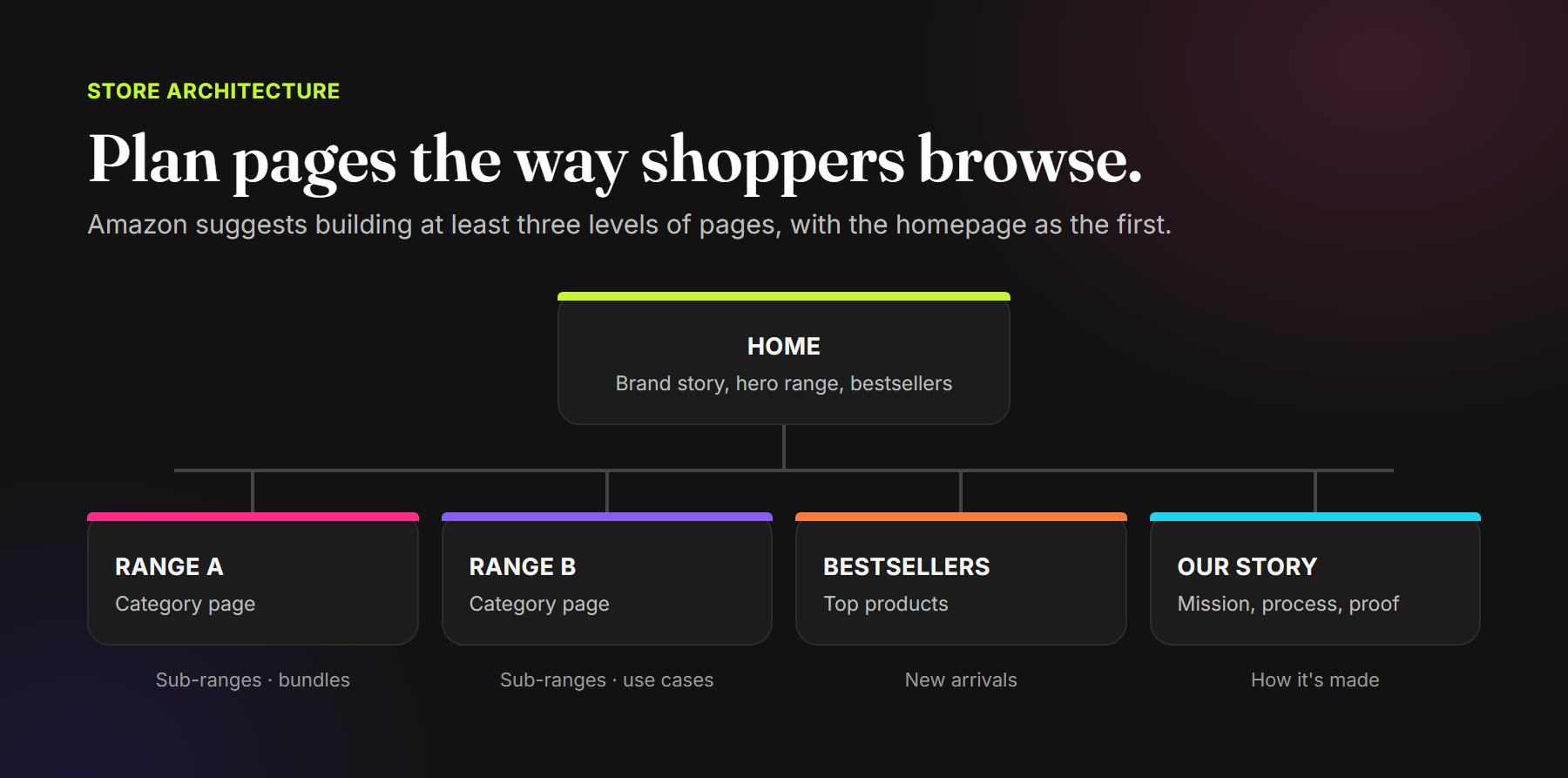
Amazon's guidance recommends building at least three levels of pages, with the homepage as the first level. Plan them the way shoppers browse, not the way your internal product codes are organised:
- Homepage: who you are, your hero range and your bestsellers.
- Category pages: one page per range, need or use case.
- Sub-pages: sub-ranges, bundles, new arrivals or seasonal collections.
- Brand story page: your mission, process and proof, for shoppers who want to know more before buying.
Name pages in the words customers use. “Kitchen storage” is clearer than “Series K”.
Design the homepage as one clear path
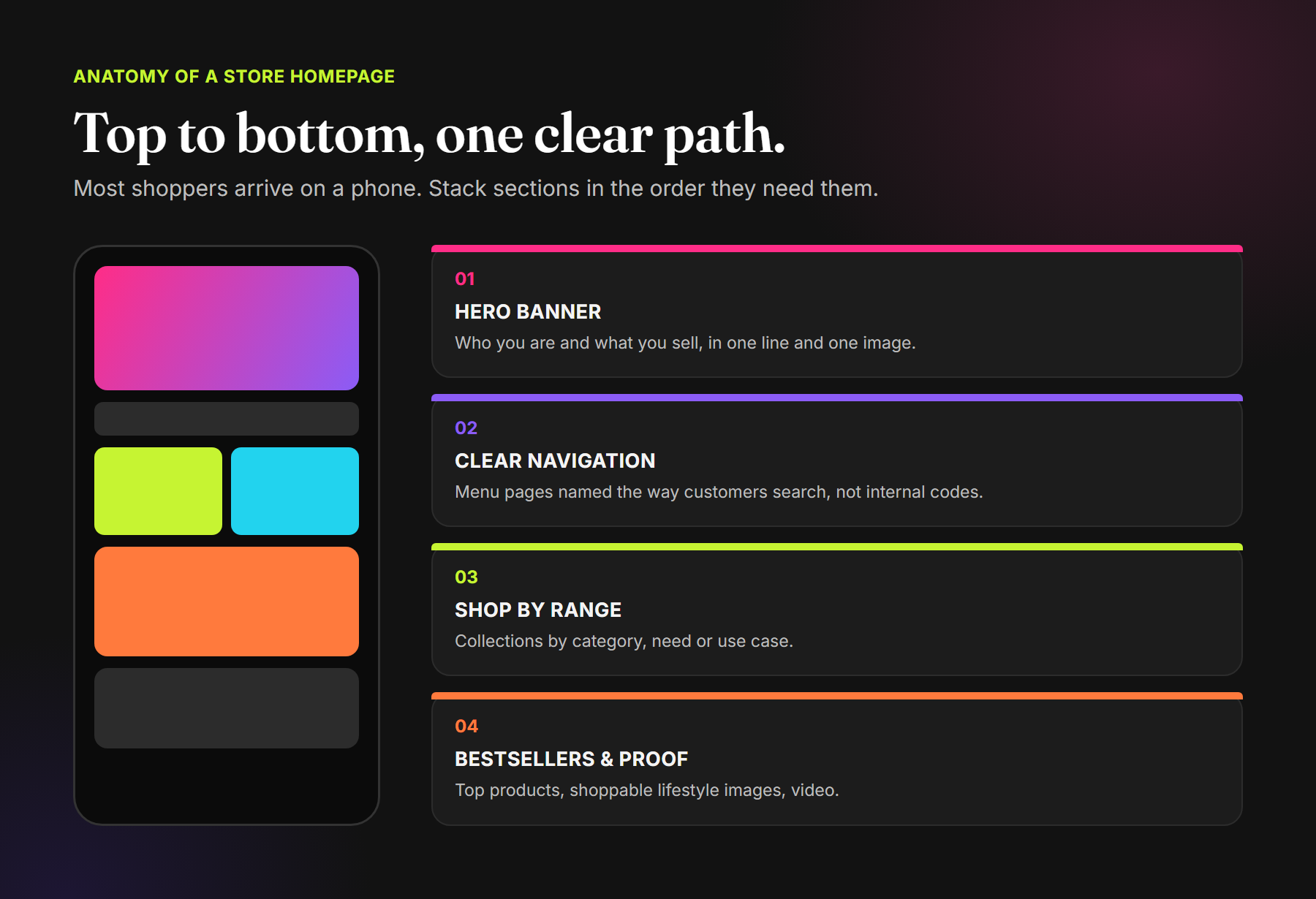
Most shoppers arrive on a phone, so the homepage should read well as a single scrolling column. A reliable order is:
- Hero banner: who you are and what you sell, in one line and one image.
- Navigation: clear menu pages that match how people shop your category.
- Shop by range: image tiles leading to each collection.
- Bestsellers and proof: top products, shoppable lifestyle images and video.
- Brand story teaser: a short reason to trust you, linking to the full story page.
The Store builder includes tiles for images, text and video, shoppable images that let customers click featured products, a product selector quiz and automated widgets such as bestsellers. Use them where they help a shopper choose, not just to fill space.
Keep the Store consistent with your listings
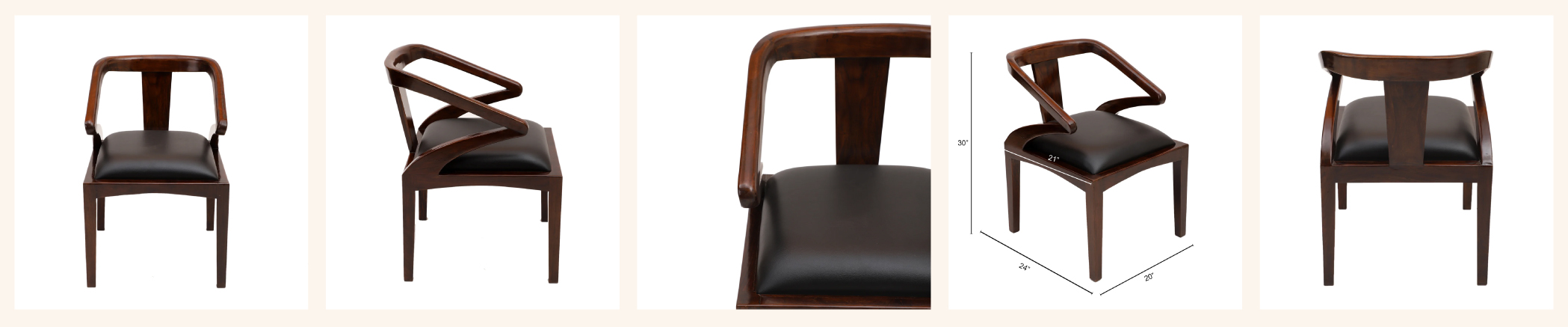
A shopper who moves from a product page to your Store should feel they are still in the same place. Use the same typography, colours, photography style and product renders as your listing images and A+ Content. Consistency is what turns three separate pieces of Amazon creative into one recognisable brand.
Measure with Store insights, then refine
Store insights report measures such as views, sales, traffic sources and dwell time. Use them to answer practical questions: which pages get visited, where traffic comes from, and which sections hold attention. Refresh the hero banner for seasons and launches, and move bestsellers and new products up as your range changes.
Common Brand Store mistakes
- One long product grid: no structure, no story, nothing a product page does not already offer.
- Text baked into images too small to read: the banner looks good on desktop and is illegible on a phone.
- Page names only you understand: internal range names instead of customer language.
- Out-of-date content: last season's banner and discontinued products.
- A different look from your listings: the Store feels like another brand.
Frequently asked questions
Is an Amazon Brand Store free?
Creating and maintaining a Brand Store is free for eligible sellers. You need a Professional selling account, Brand Registry enrolment and Amazon Ads registration.
Do I need a trademark for an Amazon Brand Store?
Yes. Brand Stores are available to brands enrolled in Brand Registry, which requires a registered or pending trademark.
How many pages should a Brand Store have?
Amazon recommends at least three levels of pages, with the homepage as the first. The right number depends on the size of your range.
Can I send traffic from outside Amazon to my Brand Store?
Yes. Your Store has its own URL, which you can use in social media, influencer collaborations and ads.
Turn your Amazon presence into a brand people browse.
Amazon Listing Images · Premium A+ Content · Brand Store · Lifestyle Photography & Visuals · Marketplace Creative
See our Amazon work for Gongloo, Portronics, Aeion and the Aakriti Monk Chair, or explore our Commerce Growth services.
Comments