
Most brands that struggle after launch do not have a bad product. They have a launch that happened in the wrong order: packaging designed before the positioning was clear, a website built before the photos existed, social profiles opened with no plan for what to post.
A launch goes more smoothly when each step feeds the next. This checklist follows the order we use with new brands, from the first strategy conversation to the weeks after launch day.
Launch day is the visible part. The work that makes it land happens weeks before anyone sees it.
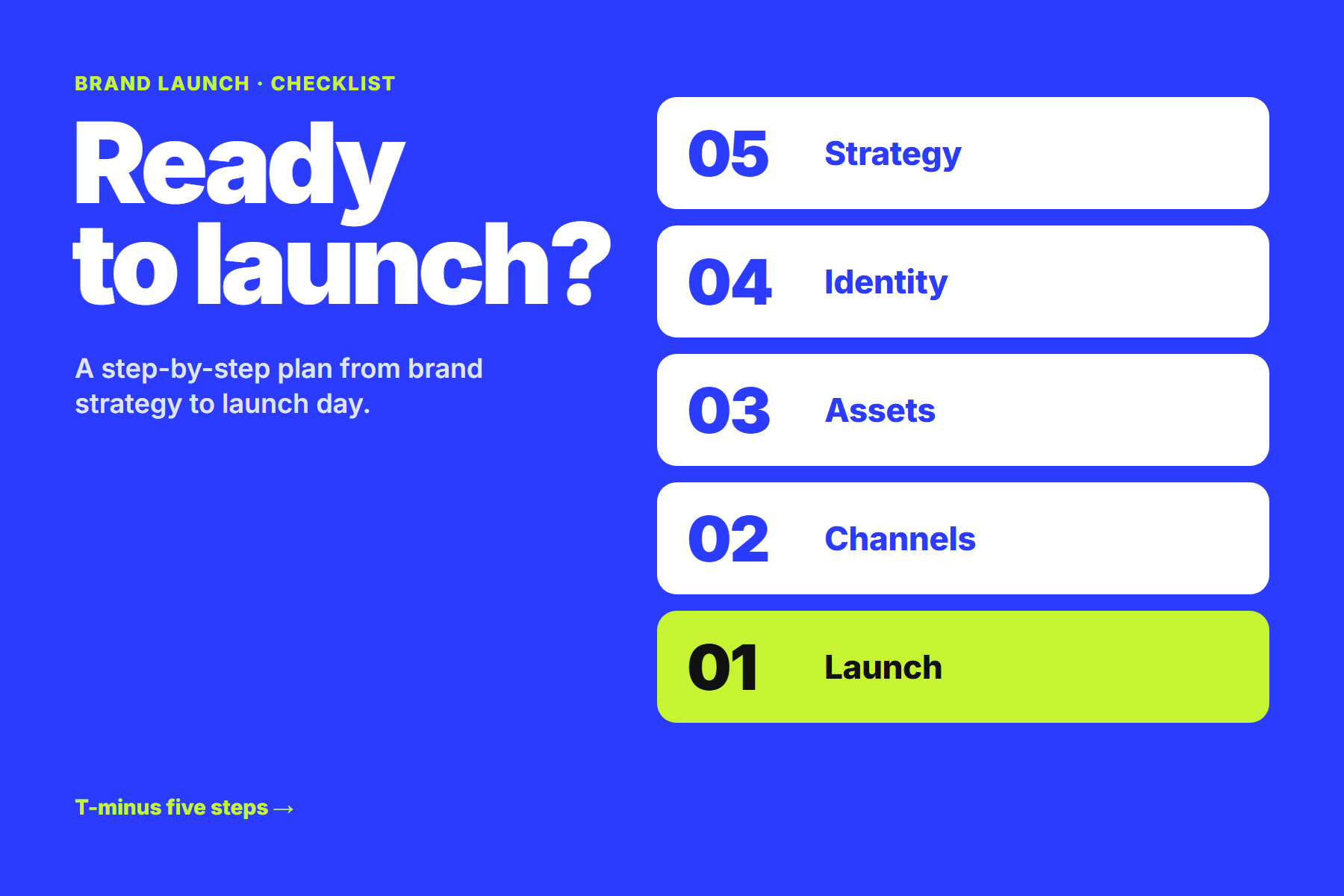
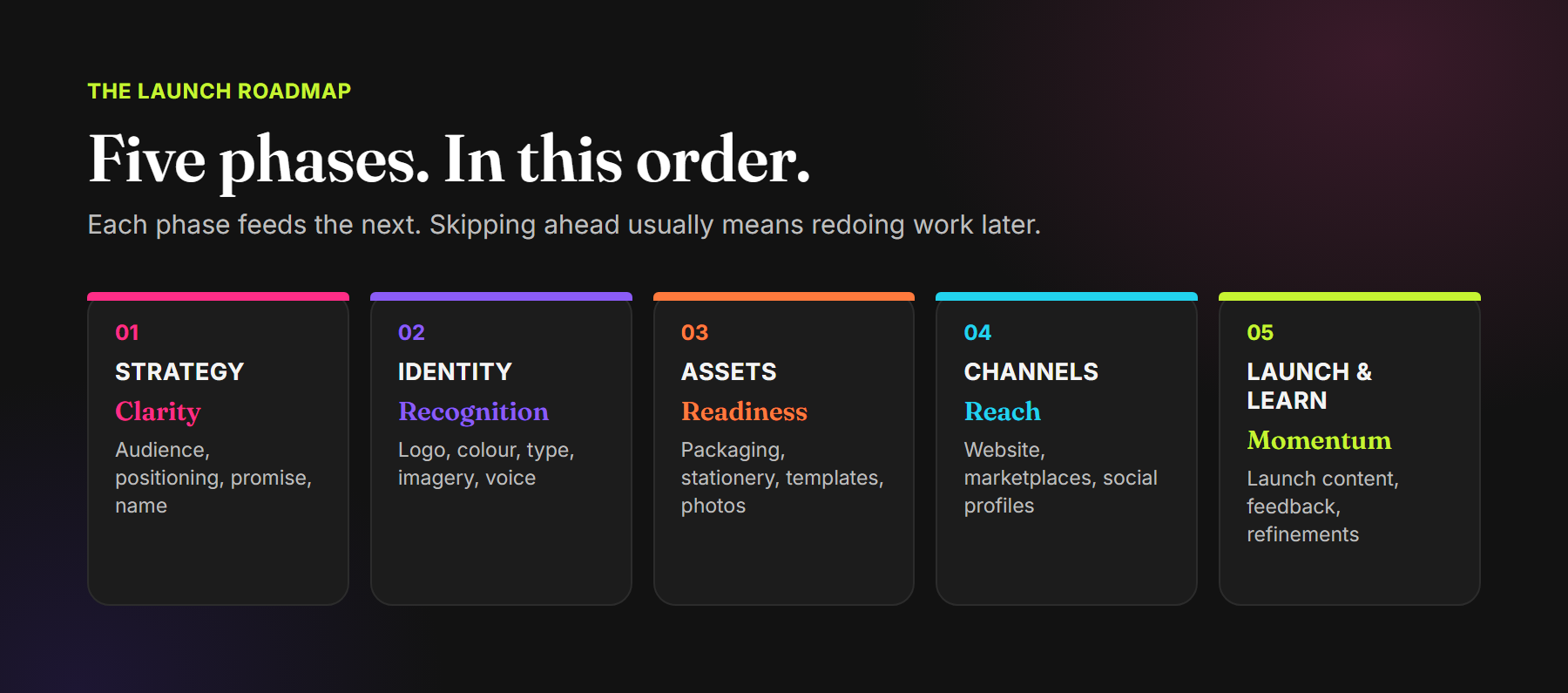
The five phases of a brand launch
Every brand is different, but most launches move through the same five phases:
- Strategy: who the brand is for, what it promises and how it differs.
- Identity: the name, logo, colour, typography, imagery and voice that express that strategy.
- Assets: the packaging, product visuals, stationery and templates the brand needs to operate.
- Channels: the website, marketplaces and social profiles where customers will find it.
- Launch and learn: the launch content itself, then feedback and refinement.
Phase 1: Get the strategy clear first
Strategy does not need to be a long document. It needs to answer a few questions clearly enough that every design decision can be checked against them:
- Audience: who is the first customer you want to win, specifically?
- Problem and promise: what does the brand do for them, in one sentence?
- Difference: why choose you over the options they already know?
- Personality: how should the brand feel, and how should it never feel?
- Price position: where does it sit, and what does that imply visually?
If you are still choosing a name, check domain availability and run a trademark search early. Changing a name after the identity and packaging are designed is one of the most expensive launch mistakes.
Phase 2: Build the identity as a system
With the strategy agreed, the identity can express it. That means more than a logo. A launch-ready identity usually includes a logo suite, a colour palette, typography, an imagery style and a few notes on voice, all designed to work together. We cover the difference in detail in Logo vs Brand Identity.
Test the identity on real applications before you sign it off: a pack front, a social post, a website header, a business card. Problems that are invisible on a presentation slide become obvious on a phone screen or a printed pouch.
Phase 3: Create the assets customers will touch first
You do not need every asset on day one. You need the ones your first customers will actually see. For a product brand that usually means packaging and product photography. For a service business it may mean a proposal template and a strong set of case-study visuals.
- Packaging and labels, with all required information checked. Our guide to food packaging design in India covers this for food brands.
- Product photography and lifestyle images, planned for both web and marketplaces.
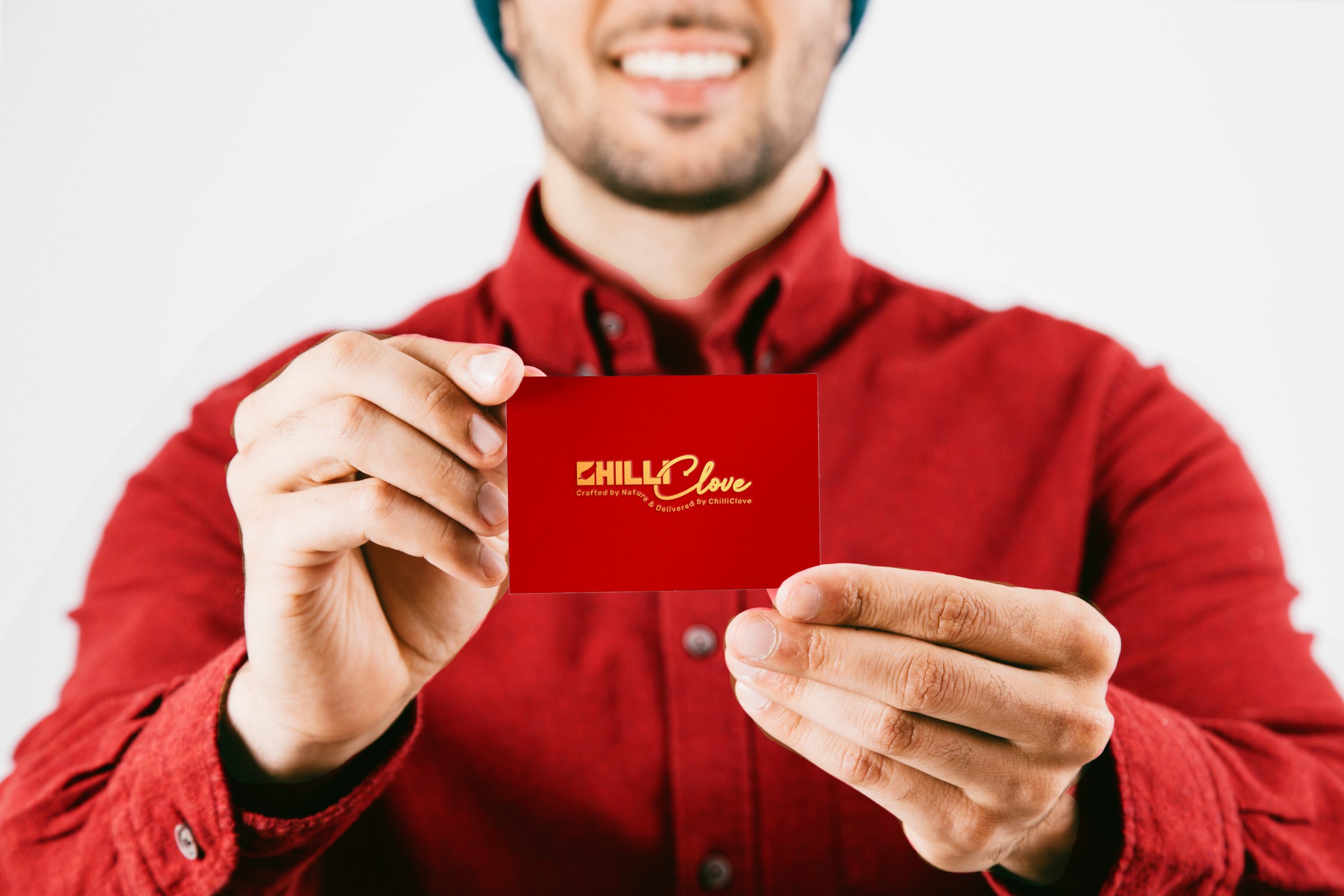
- Stationery and business essentials, if you meet clients or ship orders.
- Templates for the content you will produce every week, such as social posts and presentations.
- Short brand guidelines so anyone creating material follows the same rules.
Phase 4: Set up your channels before you announce
Customers who hear about you on launch day will look for you immediately. Make sure there is somewhere good to land:
- Website or landing page: a clear promise, the product or service, proof and one obvious next step.
- Marketplaces: listings with complete images and copy if you sell on Amazon or quick-commerce apps. See our guide to Amazon listing images.
- Social profiles: consistent names, profile images and bios, with a few posts already published so the profile does not look empty.
- Contact and support: email, WhatsApp or phone that someone actually answers.
Phase 5: Launch, then listen
Plan the first few weeks of content before launch day, so you are not designing under pressure while also answering customers. Then pay close attention: early reviews, questions and returns tell you what the brand communicates well and where people are confused.
Expect to refine. A launch identity that is adjusted after real feedback is a sign of a healthy brand, not a failed launch.
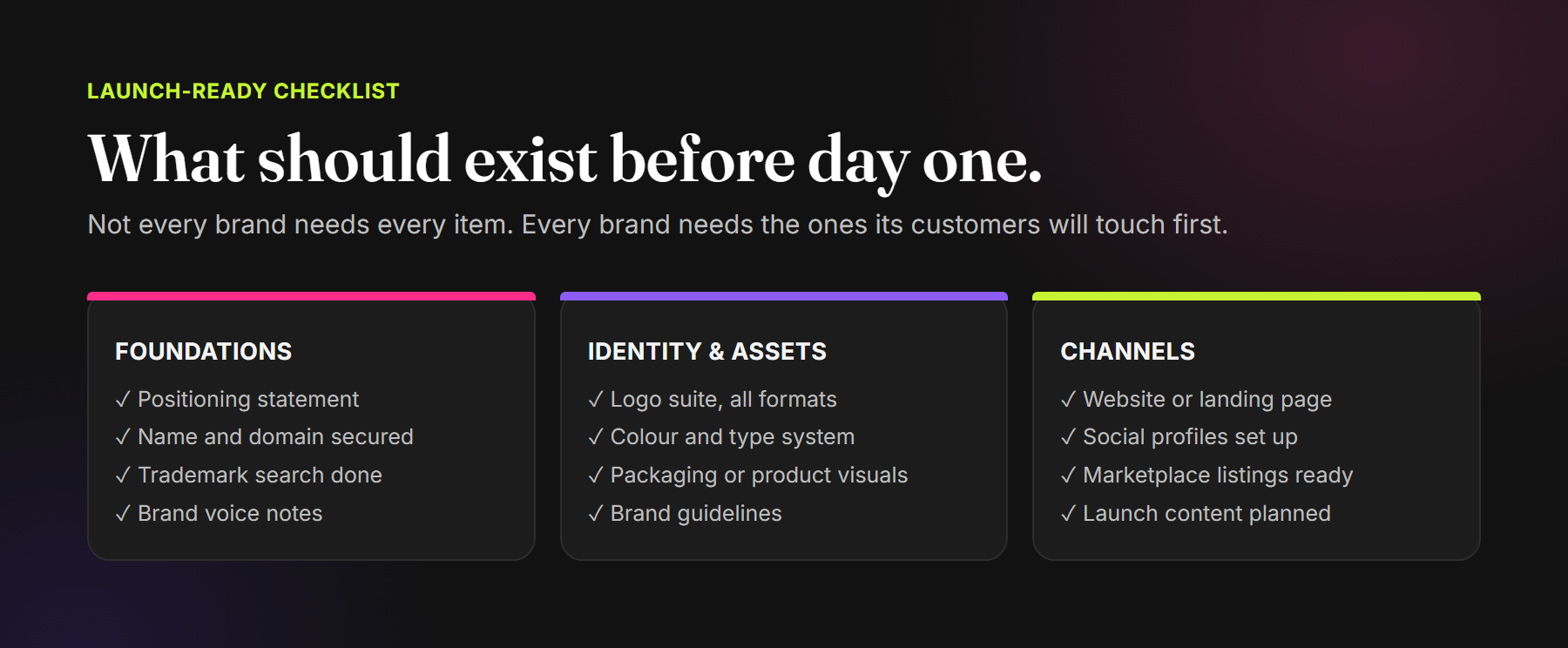
Common brand launch mistakes
- Designing before deciding: the logo is chosen before the audience and positioning are clear.
- Naming too late: the trademark or domain problem appears after packaging is printed.
- Launching with gaps: ads go live but the website or listing is incomplete.
- Too many messages: the brand tries to say everything and is remembered for nothing.
- No guidelines: within weeks, every new post looks slightly different.
- No plan for after launch: momentum drops once the announcement is over.
Frequently asked questions
How long does it take to launch a new brand?
It depends on the scope. A service business with a website can launch far sooner than a food brand that needs packaging, printing and marketplace listings. Build in time for supplier lead times, proofs and at least one round of feedback.
What should I do first when launching a brand?
Start with strategy: your audience, your promise and what makes you different. Every design decision after that becomes easier and faster.
Do I need a full brand identity to launch?
You need enough of a system to look consistent everywhere customers see you. For most product brands that means a logo suite, colours, typography, imagery style and packaging from day one.
Should I launch on Amazon and my own website at the same time?
Many brands do. If you launch on both, keep the visuals and messaging consistent so customers recognise you in either place.
Launch a brand people recognise from day one.
Brand Strategy · Logo Design · Visual Identity System · Brand Guidelines · Packaging Design · Social Media Launch Kit
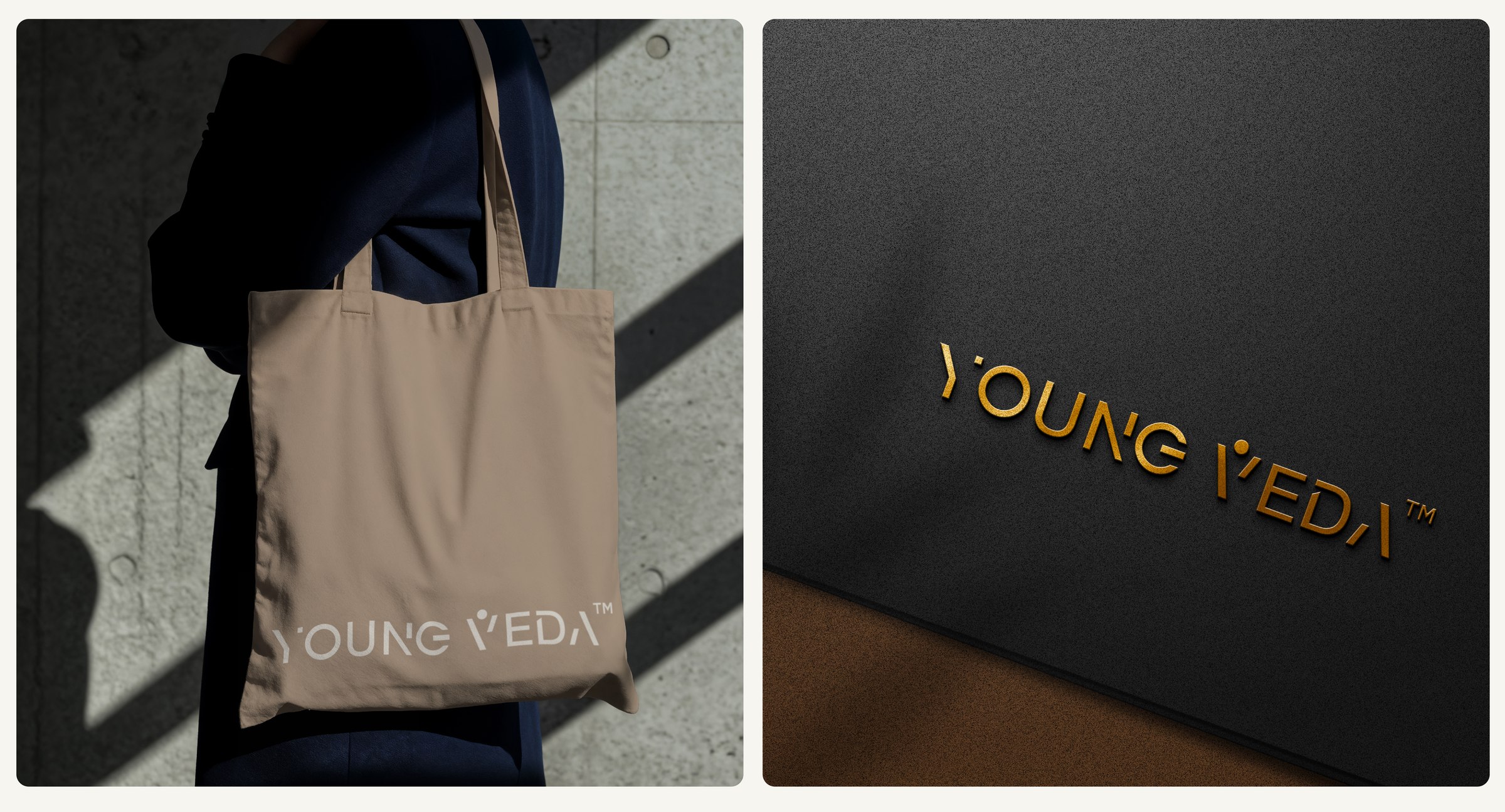
See launches we've built for Young Veda, ChilliClove, Tutu Me and Delta Cargo, or explore our Brand Launch services.
Comments